Fatal Mistakes When Choosing a Software Vendor at the Beginning of the Year
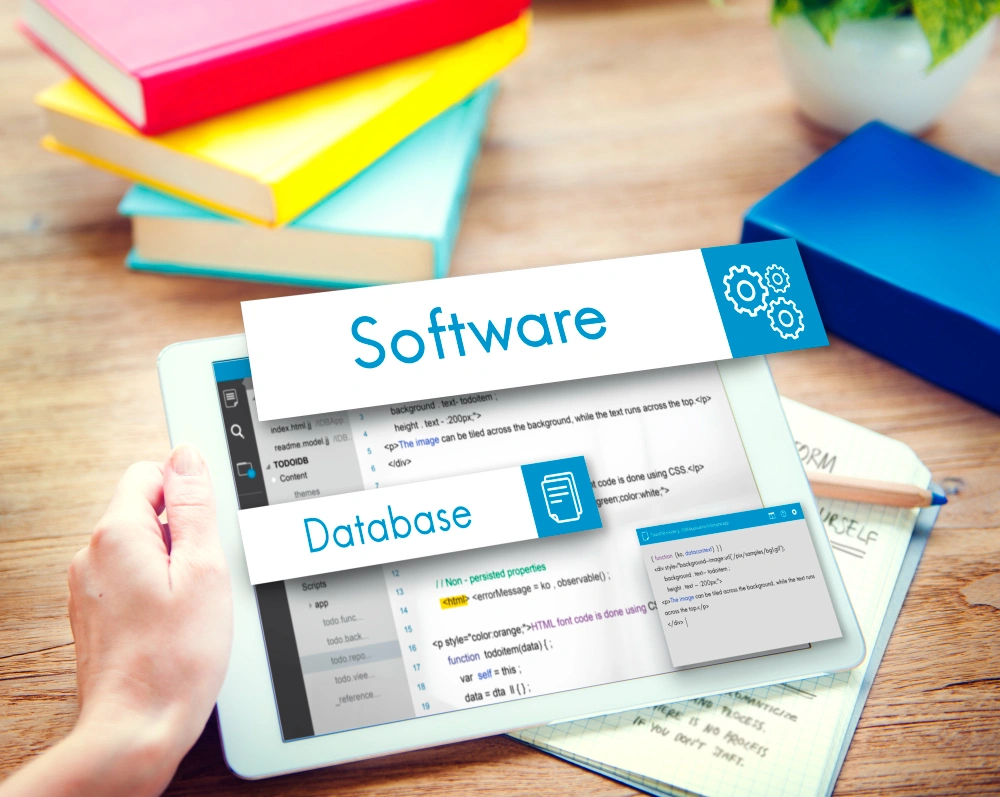
Mistakes in choosing a software vendor usually occur because businesses focus too much on demos, features, and initial pricing without mapping internal processes, calculating long-term costs, and ensuring implementation readiness.
The beginning of the year is often a strategic moment for companies to pursue digital transformation. Budgets have been approved, efficiency targets are set, and management wants the new system up and running immediately. However, in practice, many software projects end up becoming new burdens due to mistakes made during the vendor selection stage.
The problem is not the intention to change, but the lack of a mature selection process. The impact is not only felt for a few months—it can last for years, from underutilized systems to continuously escalating costs.
Below are the most common mistakes in selecting a software vendor.
Getting Trapped by a “Sweet Demo” Instead of a Real Solution
The first mistake is being impressed by a sophisticated-looking demo that does not reflect your actual business operations. Many enterprise software vendors can present attractive features, interactive dashboards, and neatly structured workflows during presentations.
However, without proper Business Process Reengineering (BPR) or clear business process mapping, software will only accelerate processes that were inefficient from the start. Instead of solving problems, the system may actually amplify existing chaos.
Not Involving End-Users from the Start
Decisions are often made by CEOs, IT managers, or operations managers without involving daily users such as HR staff, finance teams, or field teams. As a result, when the system goes live, many features feel irrelevant or too complex to use.
Without input from end-users, the adoption process becomes slow and resistance increases. Ultimately, expensive software that was supposed to improve productivity ends up being underutilized.
Forgetting to Calculate Total Cost of Ownership (TCO)
Many companies only compare initial license prices without calculating the Total Cost of Ownership (TCO). In reality, implementation, customization, integration, training, maintenance, and annual upgrades often cost far more than the initial price offered.
Software implementation failures often arise because the budget was not comprehensively planned. When additional costs appear mid-project, the initiative may stall or even be halted before delivering maximum benefits.
Assuming All Vendors Understand All Businesses
Not all software vendors in Indonesia have experience across every industry. Software for manufacturing has very different requirements compared to retail, HR, or field workforce management.
A vendor who does not understand your business context will rely heavily on trial and error during implementation. Time is wasted on adjustments while operations must continue running without disruption.
Focusing Too Much on Features and Forgetting Business Objectives
Many companies choose business software because it has complete and modern-looking features. However, the main question that should be answered is: what problem are we trying to solve?
Is the goal to improve operational visibility, ensure payroll compliance, accelerate field team distribution, or secure web applications? Without clear objectives, no matter how many features are available, they will not deliver significant impact.

Not Considering Scalability from the Beginning
Software is often chosen based on current needs, not on requirements two or three years ahead. As the business grows—users increase, new branches open, or systems need integration with ERP and other applications—the existing software may no longer be sufficient.
As a result, companies must migrate again or replace the system sooner than planned. This means additional costs, retraining teams, and the risk of operational disruptions.
Ignoring Post-Implementation Support
Vendor responsiveness is usually very fast during the pre-sales stage. However, after the system goes live, support quality can change drastically.
The post-implementation phase is actually the most critical stage, when users begin encountering real challenges in the field. Without consistent support, adoption slows down and the software’s benefits are never fully optimized.
Conclusion
Mistakes in choosing a software vendor are not just about selecting the wrong features or the wrong price. The biggest mistake happens when companies fail to start with business process mapping, neglect long-term cost calculations, and overlook scalability and post-implementation support.
Choosing business software is a strategic decision that directly impacts efficiency, control, and company growth. With the right approach from the beginning, the risk of implementation failure can be significantly reduced.
Ensure Your Digital Foundation Is Right from the Beginning
Choosing a software vendor is not about who is the cheapest or who offers the most features, but who truly understands your processes and growth direction.
Smart IT helps businesses start with business process mapping, long-term cost planning, and system implementation that is ready to use and scalable alongside your company’s growth.
Discuss your enterprise software needs with our team before making a decision at the beginning of the year. The right step today will determine your business stability and growth in the long term.
PT SMARTIT MANTAP DIGITAL INDONESIA
Vieloft Ciputra World, Suite 10-01.
Kompleks Superblock, Ciputra World
Jl. Mayjen Sungkono No.89 Surabaya, Jawa Timur, Indonesia 60224
Telepon: +6281130576888 / +628113426391
Email: hello@smart-it.co.id
Facebook: Smart IT Indonesia
LinkedIn: Smart IT Indonesia
Instagram: smartitcoid